





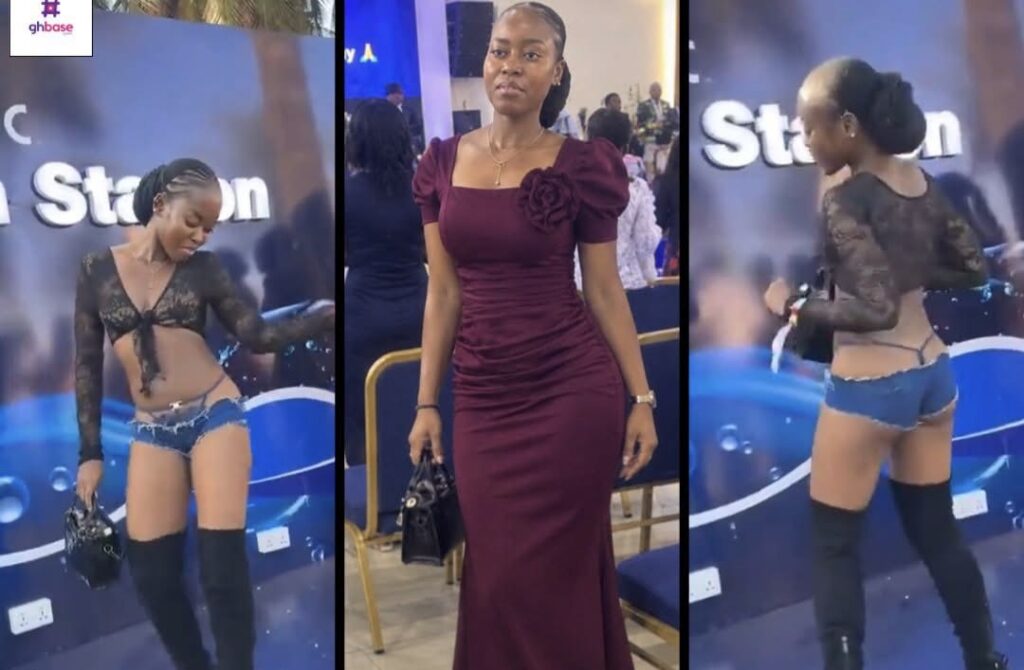
By Sunday morning, the bass from La Palm Royal Beach Hotel had faded, the confetti had settled along the Labadi shoreline, and Davido had wrapped up a headline performance that drew thousands of young revelers to the coast. Yet across Ghanaian social media, the loudest afterparty was just beginning—and it had almost nothing to do with the music.
Throughout the weekend following Saturday’s November 14 edition of the Tidal Rave Festival, timelines on X, TikTok, and Instagram were saturated with street-style reels, red-carpet-style beach interviews, and reaction videos dissecting the wardrobe choices of female attendees. From micro-bikinis and sheer mesh cover-ups to avant-garde cut-out bodysuits, the bold beachwear worn by scores of young women transformed Ghana’s premier coastal music festival into the epicenter of a fierce national debate over self-expression, morality, and digital consent.
A Runway on the Sand
Over the past decade, Tidal Rave, curated by youth marketing and experiential agency EchoHouse has evolved from a campus beach jam into a massive pan-African cultural showcase. Operating under the 2026 theme “No Raver Left Behind,” organizers explicitly built the festival around five core pillars: music, dance, entrepreneurship, content creation, and fashion.
For weeks leading up to the event, local designers, thrift curators, and makeup artists saw a spike in bookings as young women planned their festival looks with the meticulousness once reserved for awards nights. On the grounds of La Palm, the beach functioned as an open-air lookbook, reflecting a globalized Gen Z festival aesthetic shaped by Coachella, Afro Nation, and viral TikTok style trends.
For many attendees and lifestyle commentators, the daring outfits were simply an extension of the venue and the moment. Defenders of the ravers flooded comment sections to point out the obvious: the event took place on a scorching coastal beach, not in a corporate boardroom or a place of worship. To young creatives and fashion enthusiasts, dressing boldly in the heat represents bodily autonomy, confidence, and an unapologetic embrace of modern youth culture.
The Moral Backlash
That perspective, however, collided head-on with deeply rooted cultural norms. By Sunday afternoon, opinion columns, YouTube reaction shows, and WhatsApp voice notes were circulating rapidly, framing the weekend’s viral clips as evidence of eroding societal values.
Critics pointed to a stark visual contrast in the event photos: while the vast majority of male attendees arrived in relaxed t-shirts, shorts, and sneakers, many young women opted for garments that left little to the imagination. Op-eds published on major portals such as GhanaWeb questioned whether social media validation and celebrity influence were pressuring young women to trade traditional notions of modesty and dignity for online likes and viral clout. On popular entertainment podcasts and reaction channels, hosts debated whether festival organizers bear a responsibility to enforce dress codes or set boundaries on public decency.

The Ethics of the Lens
Amid the familiar tug-of-war between progressive self-expression and traditional conservatism, a sharper, more urgent critique emerged from attendees themselves: the predatory behavior of opportunistic content creators and street bloggers.
Across Reddit and X, female ravers and allies called out a troubling pattern on the festival grounds. Rather than capturing the broader atmosphere of the event, scores of men armed with smartphones and ring lights reportedly trailed women through the crowd, filming them without consent and zooming in on revealing angles specifically engineered to spark outrage and farm engagement online.
What some commentators framed as a “fashion crisis,” many women described as digital harassment. The backlash highlighted a glaring double standard in Ghana’s creator economy: the same blogs and social pages condemning women for dressing provocatively were actively monetizing views by plastering those exact women across their feeds without permission.
What Comes Next for Ghana’s Festival Economy?
The annual post-Tidal Rave fashion discourse has become almost as predictable as the December concert rush itself, underscoring a generational fault line in contemporary Ghana. As Accra continues to position itself as West Africa’s premier December entertainment capital, the tension between international festival culture and local social expectations shows no signs of cooling down.
For event organizers, corporate sponsors, and content creators alike, the 2026 edition leaves behind an unavoidable set of questions, not just about what young people choose to wear on the sand, but how festivals protect the privacy, safety, and dignity of the very audience that keeps the culture alive.


Reader comments