



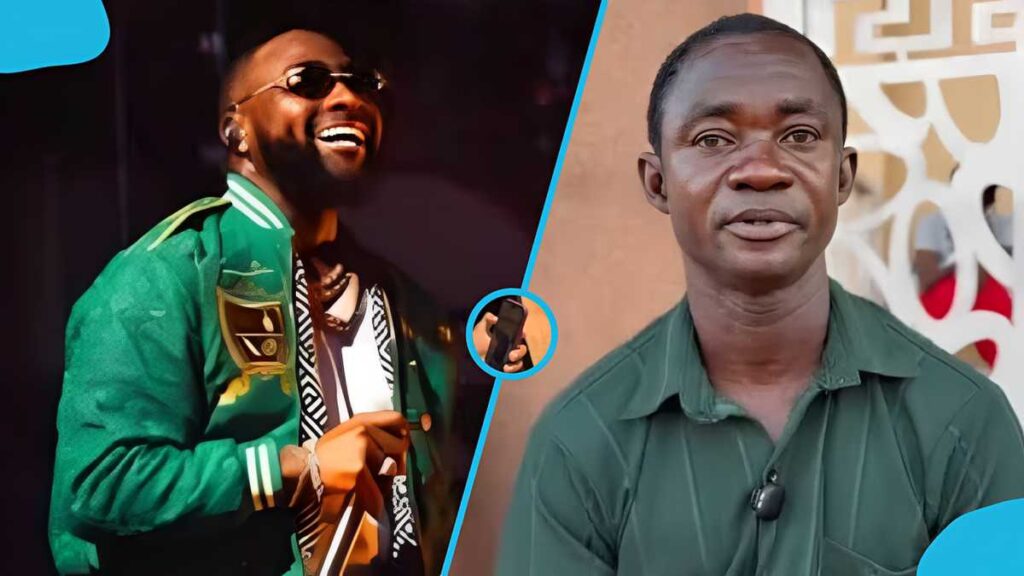
On Sunday, November 15, 2026, Manso Akwasiso in Ghana’s Ashanti Region became the unlikely epicenter of West African entertainment news. Ghanaian businessman Kwaku Abonee, popularly known as Great Osama, hosted Nigerian Afrobeats superstar Davido at his New York City (NYC) Hotel to mark the establishment’s third anniversary. Billed as The Davido Experience, the concert was widely heralded as a historic cultural moment for a mining community rarely visited by global music icons.
Within hours, however, triumph turned into public turmoil. Viral videos showed an visibly distressed Great Osama confronting members of Davido’s entourage at the venue exit and later addressing patrons on the verge of tears. What was meant to be a landmark celebration instead sparked a fierce national conversation about contract law, event production, corporate social responsibility, and the mechanics of international talent booking.
Part I: The Core Issues Behind the Fallout
An objective assessment of the Manso controversy reveals that the breakdown was not caused by a single failure, but by a convergence of contractual, operational, and public relations misalignments.
1. The Expectation-to-Duration Gap At the heart of the dispute was the length of Davido‘s set, which lasted approximately 19 to 22 minutes. Against widespread reports though never officially confirmed by either camps that Great Osama allegedly spent upwards of $600,000 (roughly GHC7 million) to secure the headliner, both the promoter and attendees who paid ¢400 to ¢450 per ticket felt shortchanged. While Davido fulfilled the literal obligation of appearing and performing, the brief set fell drastically short of the full-length concert experience patrons anticipated.
2. Opaque Intermediary Chains and Contractual Ambiguity In the aftermath of the show, Great Osama publicly clarified the payment trail, naming specific individuals (such as “Tokyo”) who received funds while absolving other social media figures (such as Showboy and Ascona) who had merely facilitated introductions. Neither Davido’s management nor NYC Hotel has released the underlying contract. In global entertainment, informal booking chains often lead to misaligned deliverables: a financier pays top-dollar expecting a full concert, while intermediaries negotiate a standard 20-minute private-party or club-style cameo with the artist’s camp.
3. Same-Day Routing and Artist Fatigue Davido’s appearance in Manso did not happen in a vacuum. Earlier that same Sunday, the singer had performed at the Tidal Rave festival in Accra and made private daytime appearances before traveling to the Ashanti Region. Scheduling a late-night regional show at the tail end of a packed, multi-city itinerary virtually guaranteed a tightly timed, fast-in-fast-out set rather than an extended performance.
4. Production and Lineup Deficits Entertainment critics and attendees pointed out structural weaknesses in the event’s design. Observers noted that the stage dimensions and technical setup at NYC Hotel resembled a local hotel anniversary rather than a concert rig built for an arena-level artist. Furthermore, billing the show almost entirely around one international act left no buffer. Without a deep roster of top-tier Ghanaian supporting artists to deliver 45-to-60-minute sets and anchor the night, the entire value of the ticket rested on Davido’s brief appearance.
5. Socioeconomic Optics and Public Scrutiny Even before the concert began, media commentators such as Ola Michael questioned the wisdom of spending hundreds of thousands of dollars on a single night of entertainment in Manso, a community grappling with road and healthcare infrastructure deficits. Defenders argued that private capital is spent at the owner’s discretion and that hosting an A-list star brings tourism and commercial visibility to the town. Nevertheless, the pre-existing scrutiny magnified the backlash once the show ended in public acrimony.
Part II: Key Industry Lessons for Promoters and Financiers
The Manso episode offers an instructive case study for independent financiers, hospitality brands, and emerging promoters across Ghana and West Africa.
- Capital Cannot Substitute for Institutional Experience: Having the financial muscle to pay an A-list fee does not automatically translate into the operational leverage required to manage an international tour crew. Live concert promotion is a specialized logistics and legal discipline, distinct from real estate, mining, or hospitality management.
- Informal Trust Is Not a Legal Safeguard: Relying on verbal assurances from middlemen or social connections leaves the promoter legally defenseless when disputes arise. In international showbiz, if a deliverables such as minimum stage minutes or live-band instrumentation is not explicitly written into a countersigned rider, it does not exist.
- Public Confrontations Destroy Brand Equity: Confronting an artist’s entourage on camera and airing grievances on the venue floor instantly shifts public focus from the prestige of hosting a global icon to the chaos of poor organization. Moreover, restricting or delaying an international team’s departure carries severe legal and reputational risks that can lead to blacklisting by major talent agencies.
Part III: Ideal Considerations for Future High-Profile Events
To ensure that future marquee concerts outside traditional metropolitan hubs deliver commercial success, artistic quality, and patron satisfaction, organizers should adopt a structured, professional framework. Here is a breakdown of an operational area and standard practice.
1. Direct Contracting and Escrow— Bypass multi-layered fixers. Engage the artiste’s accredited booking agency or primary management directly, have entertainment lawyers vet the contract, and tie final balance disbursements to verified performance milestones.
2. Explicit Performance Riders — Clearly distinguish between a Club/Private Appearance (15 – 25 mins), a Festival Slot (30 – 45 mins), and a Headline Concert (60 – 90+ mins). Lock the exact minimum set time and soundcheck requirements into the agreement.
3. Routing & Exclusivity Windows — Negotiate a 24-to-48-hour exclusivity clause within the host country, or book the artist on an open routing day so travel fatigue and competing gigs do not compress the show.
4. Technical & Stage Compliance — Outsource stage, sound, lighting, and crowd barricade production to certified live-event engineering firms capable of meeting international technical riders to the letter.
5. Balanced Talent Curation Anchor — Add on the bill 3 to 5 established Ghanaian headliners alongside emerging local acts. A strong domestic lineup guarantees at least 3 to 4 hours of high-energy entertainment, protecting ticket value regardless of the international guest’s set duration.
6. Professional Crisis & Stage Management — Appoint an experienced showrunner and stage manager to serve as the sole liaison with the artiste’s road manager. Any contractual discrepancies should be logged quietly and settled post-event through legal channels.
7. Community & Corporate Alignment — When staging high-budget events in developing communities, pair the entertainment spectacle with a tangible corporate social responsibility (CSR) initiative such as renovating a local clinic wing or donating equipment to build genuine community goodwill and insulate the brand from socioeconomic criticism.
Ultimately, bringing global entertainment to regional towns like Manso Akwasiso is a bold and commendable ambition that decentralizes tourism and economic activity. When matched with rigorous legal frameworks, world-class technical production, and disciplined event management, such ventures can evolve from viral cautionary tales into sustainable cultural milestones.

Reader comments